
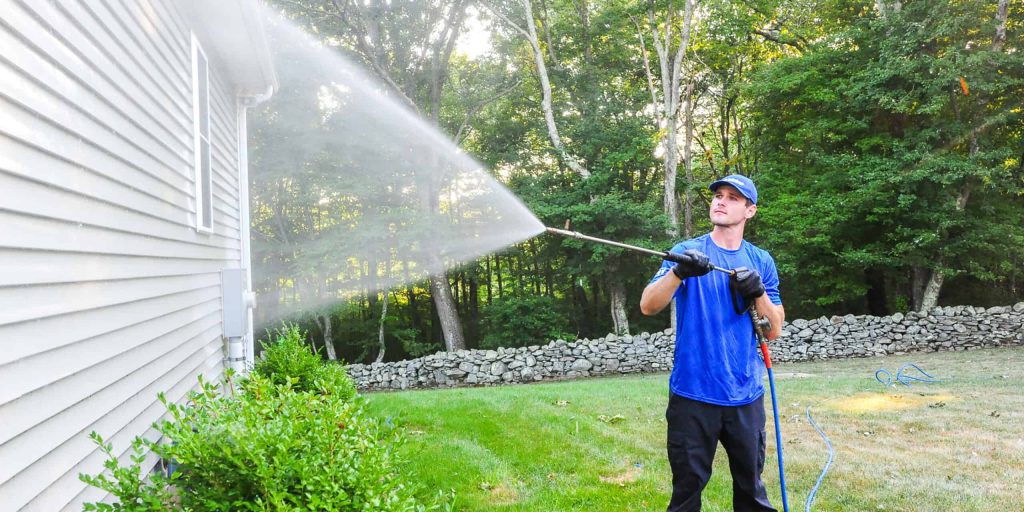
Keeping your home clean and looking great is important, but over time, dirt and grime can build up on the outside surfaces. With a pressure washer, you can make your home’s exterior look fresh again. If you’re a beginner, don’t worry! This guide will help you understand the basics of pressure washing.
Here’s what we’ll cover:
- What is pressure washing?
- Choosing a pressure washer
- Safety tips
- Cleaning different surfaces
Let’s get started!
What is Pressure Washing?
Pressure washing is a way to clean outdoor surfaces using a machine that sprays water at high speed. This high-pressure water can remove dirt, mildew, mold, and even old paint from surfaces like driveways, patios, fences, and walls.
Why Use a Pressure Washer?
A pressure washer cleans faster and deeper than regular scrubbing. With just water, you can make surfaces look new again. Plus, it’s very satisfying to see the grime wash away!
But remember, the pressure washer is a powerful tool. If not used correctly, it can damage surfaces or even hurt you. This is why it’s important to learn how to use it safely.
Choosing the Right Pressure Washer
When selecting a pressure washer, you have two main options: electric and gas-powered.
Electric Pressure Washers
Electric pressure washers are great for small jobs and light cleaning, such as washing cars, patios, and furniture. They are easy to use and don’t make much noise.
Pros:
- Lightweight and easy to move
- Quiet
- Less maintenance (no oil changes)
Cons:
- Less powerful than gas pressure washers
- Must be plugged into a power outlet
Gas-Powered Pressure Washers
Gas-powered washers are stronger and better for big jobs like cleaning driveways, fences, or large walls.
Pros:
- More powerful, can clean faster
- Good for large surfaces
- No need for a power outlet, so you can use them anywhere
Cons:
- Heavier and can be harder to move around
- Require regular maintenance (changing oil)
- Make noise and release fumes, so only use them outside
Understanding PSI and GPM
When you’re shopping for a pressure washer, you’ll see two important numbers: PSI (Pounds per Square Inch) and GPM (Gallons Per Minute). These numbers tell you how powerful the machine is.
- PSI is the water pressure. Higher PSI means the water hits harder and can remove more dirt. For beginners, a PSI of 1,500-2,500 is often enough.
- GPM is the amount of water the machine uses. A higher GPM means you’ll clean faster because more water is sprayed at once.
For general home cleaning, a pressure washer with 1,500-2,500 PSI and 1.2-2.5 GPM is usually a good choice.
Choosing the Right Nozzle
Pressure washers come with different nozzles. Each nozzle sprays water at a different angle, which affects how strong the spray is.
- Red Nozzle (0 degrees): This nozzle has the highest pressure and shoots a narrow, straight line of water. Use it with caution, as it can damage surfaces. Avoid using this nozzle up close on any surface.
- Yellow Nozzle (15 degrees): This is good for removing tough dirt and grime from concrete and metal surfaces. It’s powerful but not as dangerous as the red nozzle.
- Green Nozzle (25 degrees): Great for general cleaning on surfaces like patios, sidewalks, and cars. This is one of the most commonly used nozzles.
- White Nozzle (40 degrees): This nozzle has a wider angle and is best for gentle cleaning on surfaces like windows and wood.
- Black Nozzle (65 degrees): The black nozzle has the widest angle and is mainly used to wet surfaces, not clean them. Use this nozzle if you need to apply soap or detergent.
Tips for Using Nozzles
- Start with a wider-angle nozzle, like the green or white one, and see how it works. You can switch to a smaller angle if you need more power.
- Keep the nozzle moving as you spray. Holding it in one place can cause damage to the surface.
- Stand at a safe distance (about 18 inches) from the surface, especially when using high-pressure nozzles.
Safety Tips for Pressure Washing
Using a pressure washer can be safe if you follow some simple guidelines. Here are the main things to remember:
- Wear Safety Gear
- Always wear protective gear, like safety goggles and gloves. High-pressure water can spray back, and tiny bits of dirt or debris can get into your eyes.
- Hold the Wand with Both Hands
- Pressure washers are powerful, and the force can surprise you. Hold the spray wand firmly with both hands, especially if it’s your first time.
- Stay Aware of Your Surroundings
- Make sure no one is standing close when you’re pressure washing. High-pressure water can hurt people, pets, and plants.
- Watch Your Distance
- Don’t stand too close to the surface you’re cleaning. Start at least 18 inches away and move closer only if needed. The closer you are, the stronger the pressure.
- Use Only Outside
- Never use a gas-powered pressure washer indoors or in closed areas. The exhaust can produce fumes that are dangerous in small spaces. Electric washers are safer for indoor use, but they’re still best for outdoor cleaning.
Preparing to Clean Different Surfaces
Each surface needs a different approach. Here are some tips for pressure washing the most common outdoor surfaces:
Concrete Driveways and Patios
Concrete is tough, so it can handle higher pressure. For driveways or patios:
- Use a yellow nozzle (15 degrees).
- Start by sweeping away loose dirt and debris.
- Keep the nozzle moving to avoid damaging the concrete.
Wooden Decks and Fences
Wood is softer than concrete, so you need a gentler approach.
- Use a green nozzle (25 degrees).
- Start at a distance and use even, side-to-side movements.
- Avoid getting too close, as the water pressure can damage the wood.
Advanced Pressure Washing Techniques
Now that you have a basic understanding of pressure washing, let’s go over some specific techniques to make your cleaning more effective. These tips will help you clean various surfaces quickly and safely.
How to Apply Soap or Detergent
Using soap or detergent can help remove tough stains, especially on very dirty surfaces like driveways or siding.
- Use the Right Detergent: Not all soaps are safe for pressure washers. Check the label to ensure it’s pressure-washer-friendly.
- Attach a Soap Nozzle: For most machines, this is the black nozzle (65 degrees). This nozzle sprays at a low pressure, which is good for spreading soap without damaging surfaces.
- Apply Evenly: Spray the detergent evenly over the surface, starting from the bottom and moving up. This helps avoid streaks.
- Let It Sit: Allow the soap to sit for a few minutes to loosen dirt, but don’t let it dry completely.
- Rinse Thoroughly: Switch back to a regular nozzle (like the green or white one) and rinse off the soap from top to bottom.
Tip: Avoid using hot water in a regular pressure washer. Many machines are designed for cold water only, and using hot water can damage them.
Cleaning Concrete and Brick Surfaces
Concrete and brick surfaces can collect a lot of grime, oil, and mildew over time. Pressure washing is ideal for deep-cleaning these materials.
- Pre-Treat Oil Stains: For stubborn oil or grease stains, apply a concrete cleaner or degreaser and scrub with a stiff brush.
- Choose a Strong Nozzle: Use a yellow nozzle (15 degrees) for concrete or brick. This nozzle provides strong pressure but is safe for hard surfaces.
- Use a Consistent Pattern: To avoid lines on your driveway or patio, move the wand in overlapping strokes.
- Protect Nearby Plants: Cover any nearby plants or shrubs to keep them safe from the high-pressure water and cleaning solution.
Important: Concrete is tough, but too much pressure can still damage it. Avoid holding the nozzle too close.
Cleaning Wood Surfaces Like Decks and Fences
Wood requires a gentler touch than concrete, as high pressure can damage or splinter it. Here’s how to clean wood without causing harm:
- Use the Right Nozzle: A green nozzle (25 degrees) is best for wood. It offers a good balance of power and gentleness.
- Maintain Distance: Keep the nozzle at least 18 inches away from the wood surface.
- Move with the Grain: When spraying, move along the grain of the wood to prevent damage.
- Use Long Strokes: Avoid stopping in one spot; keep the spray moving to prevent visible lines.
After washing, allow the wood to dry fully before applying a sealer to protect it from moisture and sunlight.
Cleaning Siding on Your Home
Pressure washing can make your home’s siding look brand new! But siding, especially vinyl, can be delicate, so follow these steps:
- Inspect First: Check for loose or damaged pieces of siding. Patch up any cracks to prevent water from getting inside.
- Use a Low-Pressure Nozzle: Use a white nozzle (40 degrees) for gentler cleaning.
- Spray Downwards: Always spray from the top down to avoid pushing water behind the siding, which can cause mold.
- Avoid Windows: Be careful around windows. High-pressure water can crack or shatter glass, so reduce pressure or clean windows separately.
Note: For tough stains, consider using a siding cleaner. Apply it with a soap nozzle (black nozzle), then rinse with a regular nozzle.
Common Mistakes to Avoid
Pressure washing is powerful, and beginners sometimes make mistakes that can cause damage or accidents. Here are some common errors to avoid:
- Using Too Much Pressure
- It’s tempting to use the highest PSI setting, but this can damage many surfaces. Always start with lower pressure and increase only if needed.
- Spraying Too Close
- High-pressure water can strip paint, dent wood, and even cut skin. Keep the nozzle at a safe distance (around 18 inches) from surfaces and people.
- Ignoring Safety Gear
- Eye and ear protection are essential. Debris can fly back at high speed, and the noise can be damaging over time.
- Skipping Maintenance
- If you’re using a gas-powered washer, remember to check the oil and clean the air filter regularly. For electric models, avoid letting water enter the machine’s motor or electrical parts.
- Using Hot Water (If Not Recommended)
- Some pressure washers are made only for cold water. Using hot water in them can lead to damage.
Cleaning Different Outdoor Surfaces
Pressure washing isn’t just for driveways and decks. Here are some other areas where you can put your pressure washer to good use:
Cleaning Outdoor Furniture
Outdoor furniture, especially plastic or metal, can get dirty over time. Here’s how to make it look new:
- Choose the Right Nozzle: Use a white nozzle (40 degrees) for delicate items.
- Rinse First: Spray down the furniture with water to remove loose dirt.
- Apply Soap if Needed: For stubborn grime, use a gentle detergent. Spray the furniture, let it sit, and rinse it off.
- Don’t Spray Cushions Directly: If the furniture has cushions, remove them before pressure washing or cover them with plastic to avoid soaking.
Tip: Test a small area first to make sure the pressure doesn’t damage the material.
Cleaning Cars and Bikes
Pressure washing can be a fast way to wash your car or bike, but you need to be careful not to damage the paint or parts.
- Use a Low-Pressure Nozzle: The white nozzle (40 degrees) is best for vehicles.
- Maintain Distance: Keep the wand about 24 inches away from the car’s surface to avoid scratching the paint.
- Use Car Soap: Fill the soap tank with a car-safe detergent for best results. Spray soap over the car, let it sit briefly, and then rinse it off.
Aftercare and Storage for Your Pressure Washer
Proper care and storage of your pressure washer will help it last longer and perform better.
- Flush Out Any Detergent
- After you finish using soap, fill the soap tank with clean water and spray for a few minutes to flush out any leftover detergent.
- Release Pressure
- Turn off the machine, disconnect the water source, and pull the trigger to release any remaining pressure in the hose.
- Store in a Safe Place
- Store your pressure washer in a dry place, away from extreme temperatures. For gas-powered models, empty the fuel if you won’t be using it for a while.
- Regular Maintenance
- For gas models, check the oil, air filter, and spark plug every season. For electric models, inspect the cord and connections for wear.
Conclusion
Pressure washing is an effective and rewarding way to keep your home and outdoor spaces looking clean and fresh. With the right equipment, careful preparation, and some simple techniques, you can tackle dirt, mold, mildew, and stains on a wide range of surfaces. Here’s a quick recap:
- Start Slow and Safe: Begin with a lower pressure and a wider nozzle angle, and adjust as needed.
- Choose the Right Equipment: Understand the differences between electric and gas pressure washers, and select the correct PSI and GPM for your job.
- Follow Safety Tips: Wear protective gear, keep a safe distance, and be cautious with powerful nozzles.
- Use the Right Nozzles: Each nozzle serves a unique purpose, so pick the one best suited to the surface you’re cleaning.
- Practice Good Maintenance: After each use, take care of your machine by flushing out soap, releasing pressure, and storing it properly.
Remember, while pressure washing can be a great DIY project, don’t hesitate to call in professionals for very large or sensitive tasks. Pressure washing takes practice, and each time you do it, you’ll get better at achieving the results you want.
With some patience and care, you can transform your outdoor spaces and make them look like new! Enjoy the satisfaction of a cleaner, brighter home. Happy pressure washing!