Power Washing: A Popular Method for Home Cleaning
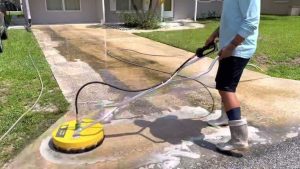
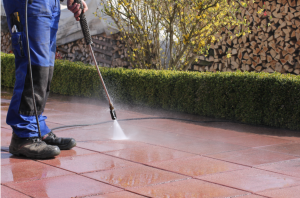
Power washing, often referred to as pressure washing, is a highly effective cleaning method that involves using high-pressure water to remove dirt, grime, stains, and even mold from surfaces like decks, driveways, and house siding. This method is widely used by homeowners to keep their properties looking clean and well-maintained. One of the most important tips for successful power washing is to start with a low-pressure setting and gradually increase it as necessary to avoid damaging the surface. Additionally, choosing the correct nozzle for the job is crucial. Narrow spray patterns are best for tough stains, while wider sprays are more suitable for larger areas.
Power Washing Safety and Techniques
Safety should always be a priority when using a power washer. It’s important to wear protective gear such as goggles and gloves to avoid injury from high-pressure water. Be mindful of fragile items around the area you’re cleaning, as the force of the water can damage delicate surfaces. Also, cover or move any plants, and ensure that electrical switches and outlets are protected from water damage.
Power Washing Tips:
- Begin with a low-pressure setting and increase it gradually.
- Use the correct nozzle: a narrow spray for tough stains and a wide spray for large areas.
- Wear protective gear, including goggles and gloves.
- Protect breakable objects from water pressure.
- Move or cover plants and protect electrical outlets.
Exploring Power Washing Alternatives
While power washing is one of the most effective cleaning methods, there are alternatives that can deliver good results without the potential risk of damage. For example, using a pressure washer on a low-pressure setting can help remove dirt without causing harm. In addition, for smaller areas or more sensitive surfaces, cleaning with a sponge or brush and a mild detergent can be a good alternative.
Another alternative is to use environmentally friendly cleaning solutions. In recent years, many biodegradable and eco-friendly products have become available that clean effectively without harming the environment or posing health risks. These green cleaning solutions can be just as effective as chemical-based options, offering a safer choice for homeowners who are environmentally conscious.
Power Washing Alternatives:
- Use a pressure washer on a low-pressure setting for gentle cleaning.
- Clean small or delicate areas with a sponge or brush and mild detergent.
- Consider eco-friendly cleaning solutions that are biodegradable and safe for the environment.
Power Washing FAQ
What is power washing? Power washing is a cleaning method that uses high-pressure water to remove dirt, grime, mold, and other contaminants from surfaces.
Is power washing safe for all surfaces? When done correctly, power washing is safe for most surfaces. However, too much pressure can damage delicate materials such as wood or stucco, so it’s important to adjust the pressure and use the right nozzle.
What are alternatives to power washing? Alternatives to power washing include soft washing, manual scrubbing, steam cleaning, and using eco-friendly solutions.
What is soft washing? Soft washing is a low-pressure cleaning technique that uses special cleaning solutions to remove dirt and stains. It’s ideal for cleaning roofs, painted surfaces, and other delicate materials.
How does manual scrubbing compare to power washing? Manual scrubbing takes more time and effort but gives you greater control over the cleaning process, especially for delicate surfaces.
Is steam cleaning an effective alternative? Yes, steam cleaning is effective for removing dirt, grease, mold, and bacteria from surfaces. It can be used on outdoor spaces, vehicles, and even upholstery.
Are there environmentally friendly alternatives to power washing? Yes, alternatives include using biodegradable cleaning solutions, steam cleaning, or manual scrubbing with vinegar and water.
What are the benefits of using an alternative to power washing? Alternatives to power washing may be gentler on surfaces, use less water, offer more control, and be more environmentally friendly.
Can I power wash myself? Yes, most homeowners can perform power washing themselves, but it’s important to follow safety guidelines and manufacturer instructions. For sensitive surfaces, it’s often best to hire a professional or choose an alternative method.
How often should I power wash my home? Power washing frequency depends on factors like climate, location, and the amount of dirt accumulation. Generally, it’s recommended to power wash once a year or as needed to prevent buildup and maintain cleanliness.
By following these tips and considering alternatives, homeowners can keep their properties clean and well-maintained without causing damage to delicate surfaces or the environment.
The Importance of Proper Preparation for Power Washing
Properly preparing your property in advance will ensure that the power washing project gets off to a great start in terms of effectiveness and prevents possible damage. It is better to be safe than sorry by taking one’s time in advance rather than having all the headaches later on while cleaning and trying to protect one’s home and other possessions from the high-pressure water. The following are ways you may prepare your home or outside area for power washing:
Remove Outdoor Furniture and Items: Those furniture, plants, or ornamental items in its path that could easily get in the way or damaged by the water should be cleared out. Move these to a safe area that’s dry until such time that power washing is complete.
Cover plants and landscaping: If you have any plants, shrubs, or flowers in proximity to what you will be cleaning, line these areas with plastic sheets or tarps to avoid water and cleaning chemicals reaching them. You should also try not to spray directly onto any plants to avoid causing any damage to them.
Seal all windows and doors: Seal the windows and doors within your house to be as watertight as possible. You can go a step further by covering with plastic sheeting or waterproof tape some of the remaining small gaps and gaps.
Seal Electrical Outlets and Fixtures: One should cover or seal all the electrical outlets, lights, and other outdoor fixtures to prevent water damage. Power washing can result in electrical malfunctions if water penetrates these areas; hence, one should take extra care to protect them.
Pre-Treat Stains or Problem Areas: For heavily stained areas or moss-covered surfaces, one may wish to employ a pre-treatment solution to help loosen that difficult grime and make cleaning with power washing easier.
Common Surfaces and Their Power Washing Needs
Not all surfaces are created equal, and thus different pressures and techniques are applied for effective cleaning without damage. Here is how you can address the common surfaces when power washing:
Driveways and Walkways: Concrete and asphalt surfaces withstand higher pressure, making it easier to clean using a power washer. However, the pressure shall be adjusted according to the surface type, as concrete surfaces bear more pressure compared to brick ones.
Patio and Deck: Wooden decks and stone or brick patios are really sensitive; they need special attention. Setting lower pressures and using the proper nozzles will avoid damaging the wood or loosening of bricks. Soft washes with low-pressure detergent go down well with these types of surfaces.
House Siding: Whether your house is made of vinyl siding, brick, or stucco, the pressure should be adjusted as such. Generally speaking, vinyl siding can take higher pressure, but for brick and stucco, you will want to keep the pressure much lower to prevent chips or small cracks. One good option for house exteriors is soft washing with detergents.
Roofs and Gutters: Both roofs and gutters are highly prone to moss and algae growth in damp weather. Power washing has its challenges due to the risk of using too much pressure, which could cause shingle or tile damage. Roofs should receive just a soft wash: low-pressure water with special cleaning solutions. For gutters, set your settings to low pressure, reducing as you move to maneuver large pieces of debris out.
How to Keep Surfaces Clean Longer After Power Washing
Once your surfaces have been power washed, maintaining them will help extend the time between washes and keep your property looking its best. Here are some tips for maintaining clean surfaces after a power washing:
Sealing for Protection: Sealing after cleaning may protect concrete, wood, or stone surfaces from future dirt accumulation. Sealing will also prevent water from penetrating through porous material and potentially causing damage in the long term.
Regular Cleaning: Driveways, patios, and decks should be regularly swept to avoid the accumulation of dirt. In house exteriors, siding could be rinsed with a garden hose every couple of months to remove dust that may be leading to mold or algae growth.
Prune Landscaping: Keep the trees, shrubs, and plants pruned back from your home. It will help keep the dirt, leaves, and moisture off of your exterior walls and roof. This will reduce the frequency that you have to power wash the house.
Check for Leaks and Drainage Problems: Good drainage around the house could be a solution to prevent water from collecting on surfaces, such as driveways and patios, which encourage grime to start forming and also help contribute to damage. Ensure gutters and downspouts are working right to direct water away from the home.
Conclusion to Power Washing and Its Alternative
Power washing efficiently cleans outdoors and instantly renovates the look of your driveway, patio, deck, or exterior house. However, on the other hand, it is of relative importance to make use of the correct pressure settings and techniques in order to avoid some type of damage to delicate materials. Soft washing together with eco-friendly cleaning solutions do provide excellent alternatives when operating on more sensitive surfaces.
Whether it be do-it-yourself power washing or a professional one, the secret to perfection is preparation and maintenance. Keep safety in mind and protect those plants, electrical fixtures, and fragile areas before commencing the cleaning process. In this way, it would be easy to have a successful damage-free power washing experience that may leave your house fresh and clean for many years to come.