
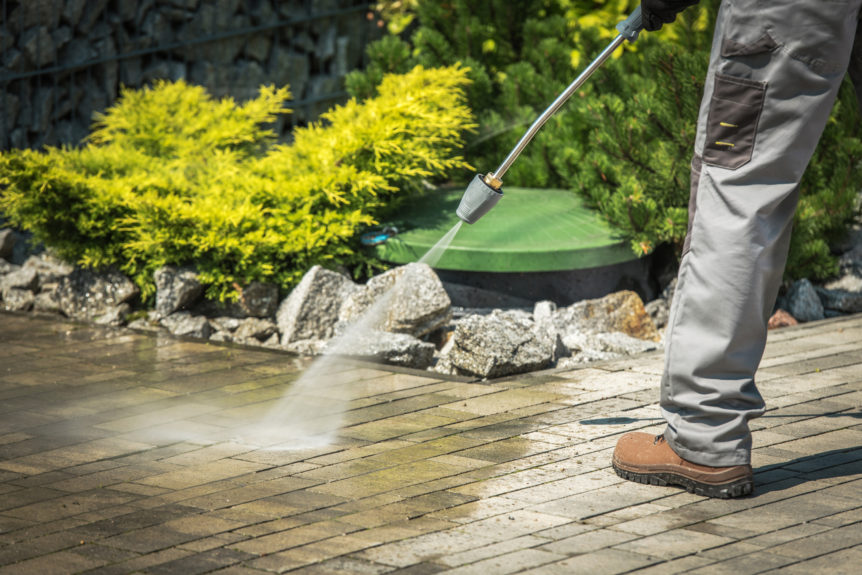
Keeping your driveway clean is important. A clean driveway makes your home look better and lasts longer. In this guide, we will talk about different ways to clean a driveway. We will cover simple steps, useful tips, and tricks to keep your driveway looking great.
Why Clean Your Driveway?
A driveway faces dirt, stains, and even moss over time. Regular cleaning:
- Improves the look of your home
- Makes your driveway last longer
- Helps keep it safe and slip-free
Cleaning a driveway is simple with the right steps. Let’s start by looking at the types of driveways and cleaning methods.
Types of Driveways
Different driveway types need different cleaning methods. Let’s go through the most common driveway types and how to clean each one.
1. Tarmac Driveways
Tarmac driveways are strong and smooth. Here’s how to clean them:
- Sweep: Start by sweeping off loose dirt and stones.
- Pressure Wash: Use a high-pressure washer to clean the surface. Be careful not to use too much pressure, as it can damage the tarmac.
- Apply Cleaning Solution: Use a special tarmac cleaner for stubborn stains.
- Rinse Well: Make sure to rinse off all cleaning products to avoid buildup.
2. Block Paving Driveways
Block paving driveways look nice but can get weeds and stains. Here’s a guide to keep them clean:
- Remove Weeds and Moss: Use a brush or a weed killer to clear any plants.
- Pressure Wash Carefully: A power washer works well but keep the pressure low to avoid moving the blocks.
- Re-Sand Joints: After washing, add sand back to the joints between blocks.
- Seal the Surface: Sealing prevents future stains and moss.
3. Concrete Driveways
Concrete driveways are strong but can stain easily. Here’s how to clean them:
- Sweep Regularly: Use a broom to remove dirt and stones.
- Pressure Wash Deeply: A pressure washer removes deep dirt.
- Use a Cleaning Solution: Mix baking soda with warm water for a good cleaning mix.
- Rinse Thoroughly: Make sure all cleaning solutions are rinsed away.
4. Resin Driveways
Resin driveways are low-maintenance but need cleaning sometimes:
- Sweep Off Dirt: Use a broom or hose to remove loose debris.
- Gentle Washing: Use a low-pressure washer or hose for light cleaning.
- Spot Clean Stains: Use mild soap and warm water for stains.
5. Imprinted Concrete Driveways
Imprinted concrete driveways look like stone and require special care:
- Regular Sweeping: Keep the surface clean of dirt.
- Pressure Wash with Care: Clean it without removing any patterns.
- Seal the Surface: Sealing protects against stains and keeps the color.
How to Remove Oil Stains from a Driveway
Oil stains are common on driveways and can be hard to clean. Here are steps to remove them:
- Absorb the Oil: Use kitty litter or baking soda on the stain to absorb excess oil.
- Apply Cleaning Paste: Mix baking soda with water to make a paste and scrub the stain.
- Use a Commercial Cleaner: Special cleaners for oil stains can work well.
- Pressure Wash: For tough stains, pressure washing helps remove deep oil marks.
Quick Tips for Driveway Cleaning
- Regular Sweeping: Prevents dirt buildup.
- Sealing: Protects against stains and weather.
- Treat Stains Quickly: Clean stains as soon as possible to prevent them from setting.
Driveway Cleaning Equipment
Having the right tools makes driveway cleaning easier. Here’s a list of basic tools and equipment to help keep your driveway clean:
1. Pressure Washer
A pressure washer is very useful for driveway cleaning. It uses high-pressure water to remove dirt, grime, and stains. Here are some tips for using a pressure washer:
- Choose the Right Pressure: High pressure can clean tough stains but may damage some surfaces.
- Use the Right Nozzle: Different nozzles control the water spray. A wide-angle nozzle covers more space, while a narrow one targets tough spots.
- Work in Sections: Clean small areas at a time for even results.
2. Stiff Brush
For driveways without heavy stains, a stiff brush can work well. Use it to scrub stains, moss, or dirt. Combine with a cleaning solution for better results. Here’s how to use it:
- Apply Cleaner: Put a small amount of cleaner on the stain.
- Scrub Hard: Use firm strokes to lift the dirt and stain.
- Rinse with Water: After scrubbing, rinse the area to remove the cleaner.
3. Cleaning Solutions
There are different types of cleaning solutions for driveways:
- Baking Soda and Water: Good for mild stains. Make a paste and apply it to the stain, then scrub.
- Vinegar: Works well for moss and mildew.
- Commercial Cleaners: Use these for tough stains, especially oil stains. Make sure the cleaner is safe for your driveway type.
DIY Driveway Cleaning Methods
There are simple methods you can use at home to clean your driveway. These DIY techniques are budget-friendly and effective for minor dirt and stains.
Baking Soda and Water
This is a safe and easy method to clean driveway stains. Here’s how:
- Make a Paste: Mix baking soda with a bit of water.
- Apply to Stain: Spread the paste on the stain. Let it sit for 10–15 minutes.
- Scrub with a Brush: Use a stiff brush to scrub the area.
- Rinse with Water: Wash off the paste to reveal a cleaner surface.
Vinegar and Water
Vinegar works well on mold and moss:
- Mix Vinegar and Water: Combine equal parts of vinegar and water in a spray bottle.
- Spray on Stain: Spray directly on the moss or mildew. Let it sit for about 20 minutes.
- Scrub and Rinse: Use a brush to scrub the area, then rinse well with water.
Dish Soap for Oil Stains
Dish soap can help with fresh oil stains:
- Pour Dish Soap on Stain: Use a generous amount of dish soap.
- Scrub with Brush: Work the soap into the stain with a stiff brush.
- Rinse Thoroughly: Rinse well with water to remove the soap and oil.
Preventing Future Driveway Stains
To keep your driveway looking clean, it’s good to take steps to prevent future stains. Here are some tips:
- Seal Your Driveway: Sealing creates a protective layer that resists stains. This is especially useful for block paving and concrete driveways.
- Park Carefully: Try to avoid parking on the same spot every day. This can reduce the chance of oil stains.
- Clean Spills Quickly: For any spills, clean them as soon as possible to prevent stains from setting.
- Regular Sweeping: Sweeping every week removes loose dirt, which can cause buildup over time.
How to Clean Specific Stains on Driveways
Different types of stains need different cleaning methods. Here are some tips for common driveway stains:
Oil and Grease Stains
Oil stains are common on driveways, especially if you have a car that sometimes leaks. Here’s a simple method for cleaning oil:
- Absorb Excess Oil: Put kitty litter, sawdust, or baking soda on the stain to soak up extra oil.
- Scrub with Cleaner: Use baking soda paste or a commercial oil remover.
- Rinse with Water: After scrubbing, rinse the area well to wash away any residue.
Rust Stains
Rust stains can happen if metal items sit on your driveway for too long. Here’s how to get rid of them:
- Lemon Juice or Vinegar: Pour a small amount of lemon juice or vinegar on the rust stain. The acid helps break down the rust.
- Scrub and Rinse: Let it sit for 10 minutes, then scrub with a brush. Rinse well with water.
Moss and Mildew
Driveways in shady or damp areas often grow moss or mildew. These can be slippery and make your driveway look unclean.
- Use Vinegar Solution: Mix equal parts vinegar and water in a spray bottle.
- Spray and Wait: Spray the mixture on the moss or mildew and wait 20 minutes.
- Scrub Off: Use a stiff brush to scrub away the moss.
- Rinse with Water: Rinse the area thoroughly.
Driveway Maintenance Tips
Keeping your driveway clean is easier with regular maintenance. Here are some tips to keep it looking great for years:
Regular Sweeping
Sweeping your driveway once a week prevents dirt and dust from building up. It also stops plants from taking root in small cracks. Use a broom with stiff bristles for best results.
Resealing Every Few Years
Sealing a driveway protects it from stains, water damage, and cracks. For concrete, block paving, and tarmac, resealing every 2–3 years helps keep the surface in good condition.
Repair Small Cracks
Cracks allow water to seep in, which can damage the driveway over time. Fix small cracks as soon as you see them. Use a driveway filler or patching product available at hardware stores.
Use Edge Trimming
Grass or weeds can grow along the edges of a driveway, making it look messy. Trim the edges regularly and pull any weeds that appear. This keeps the driveway area clean and neat.
Frequently Asked Questions (FAQs)
Here are answers to common questions about driveway cleaning:
1. What’s the Best Way to Clean a Driveway?
The best method is pressure washing combined with a good cleaning solution. Pressure washing removes dirt and stains, while cleaning solutions help with stubborn spots.
2. Can I Clean My Driveway Without a Pressure Washer?
Yes! You can clean with a stiff brush and a hose. Use a strong cleaning solution, scrub well, and rinse thoroughly.
3. How Do I Remove Oil Stains Without Harsh Chemicals?
For oil stains, try using baking soda or dish soap. These household items are gentle and can work well on fresh stains.
4. How Often Should I Clean My Driveway?
For best results, clean your driveway at least twice a year. If you live in an area with a lot of dirt or rain, consider cleaning more often.
5. Is Professional Driveway Cleaning Worth It?
Yes, if your driveway has tough stains or if you want a deep, thorough clean. Professionals have tools and knowledge that can save time and effort.
Conclusion
Cleaning your driveway may seem like a big job, but with the right methods and tools, it’s simple. Regular cleaning helps keep your driveway looking fresh and well-maintained. By following this guide, you can:
- Remove common stains
- Keep the surface smooth and safe
- Extend the life of your driveway
Whether you choose to clean your driveway yourself or hire a professional, taking care of it will keep your home looking beautiful. Remember to sweep regularly, treat stains quickly, and reseal every few years. With a bit of care, your driveway will stay in great shape for years to come!